I have used red light therapy almost every single day for over two years. Today I am showing you exactly how my hair changed during that time: the growth speed, the thickness, the density, the overall hair quality, and what happened when I went cold turkey and took a complete six-week break.
- Hair Growth Speed Doubled: My haircut interval was cut in half, dropping from every 8 weeks down to every 3 to 4 weeks. Any hair exposed to the red light (scalp and facial hair) accelerated drastically.
- Density and Fullness: Noticeably thicker, stronger, and less brittle hair with substantially more volume. Scientific literature cites a 15% to 35% improvement in hair metrics; my real-world results easily match the top end of that range.
- What Happened on the 6-Week Break: Growth speed immediately dropped back to baseline, but the improved density and shaft thickness remained intact throughout the pause.
- What It Cannot Do: Red light cannot resurrect dead or non-existent hair follicles caused by advanced genetics or high DHT. It supercharges active follicles, speeds up recovery from shedding, and thickens existing hair, but it will not magically create brand-new follicles out of thin air.
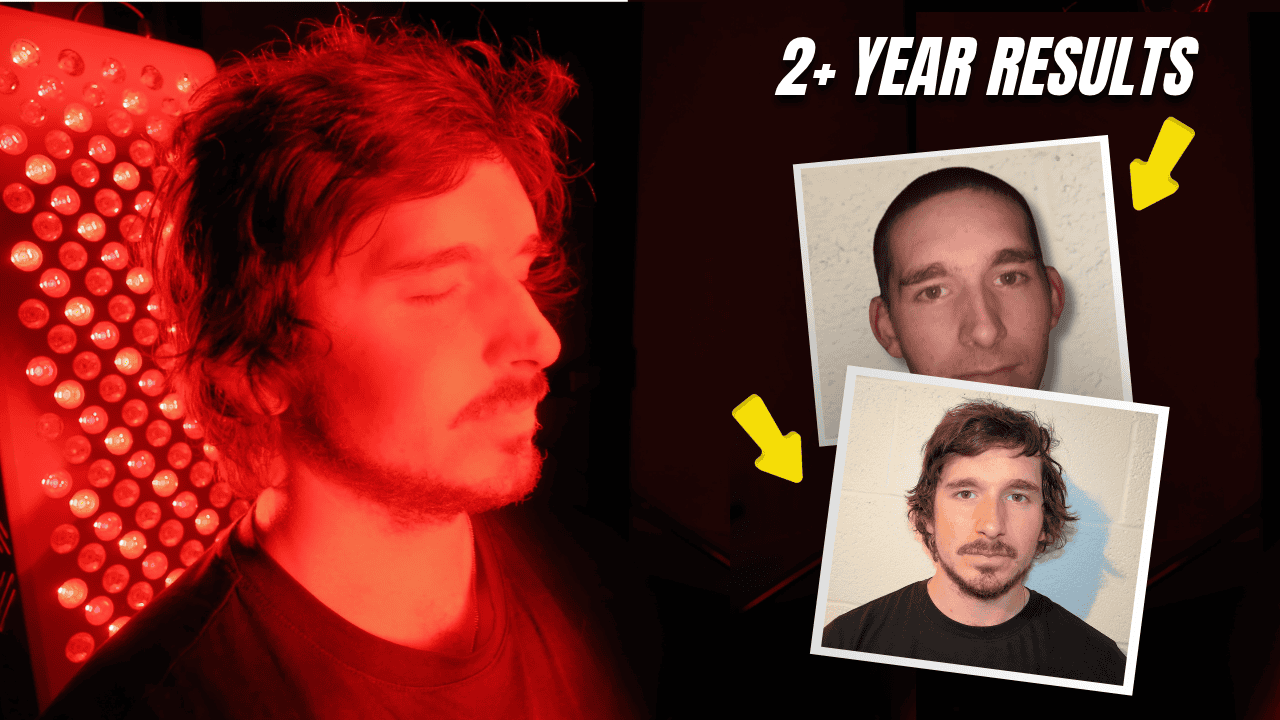
The Before and After Reality
For roughly ten years of my adult life, I kept my hair shaved in a short buzz cut. I assumed I would never have long hair again. Every eight weeks, I would head down to the barber, shave it down, hate the way it looked for the first two weeks, enjoy it for four weeks, and then repeat the cycle.
When I added daily red light therapy into my routine, the nourishment and density shift was night and day. Within three months of consistent daily exposure, my hair looked substantially thicker, fuller, and significantly less brittle.
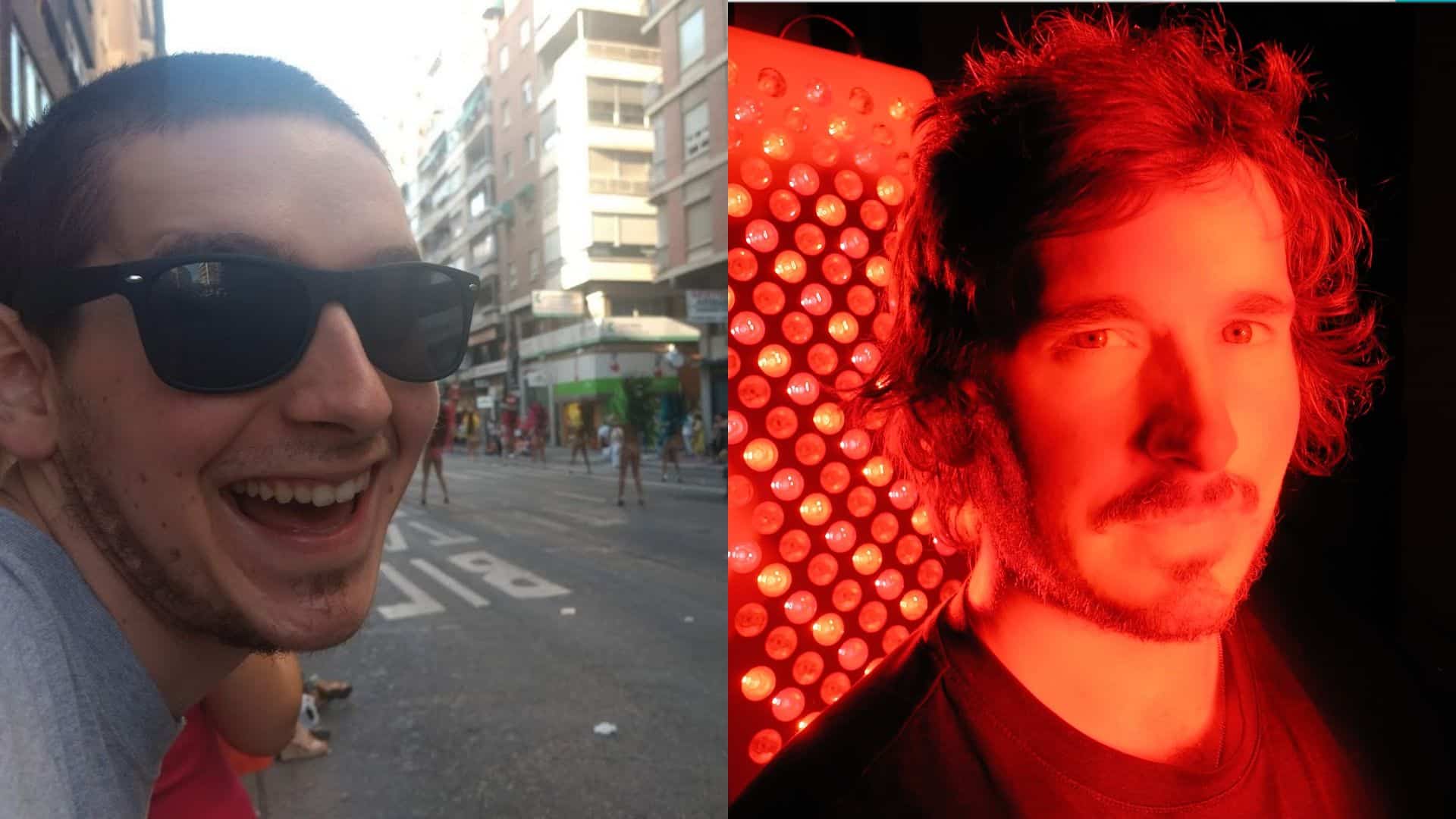
The Metric That Proved It Worked: The Barber Test
The single benefit that proved to me this was not just a placebo effect was my haircut frequency.
Before red light, my buzz cut lasted eight full weeks before it started looking untidy. Once I introduced red light, my hair started growing so fast that I needed a barber visit every 3 to 4 weeks. It literally cut my haircut interval in half.
Because I hated booking haircuts that often, the rapid growth rate actually encouraged me to grow my hair long again. Anyone who has tried growing out a buzz cut knows that awkward, stubborn intermediate stage usually takes months of looking messy. Red light powered me through that stubborn growth phase in half the normal time.
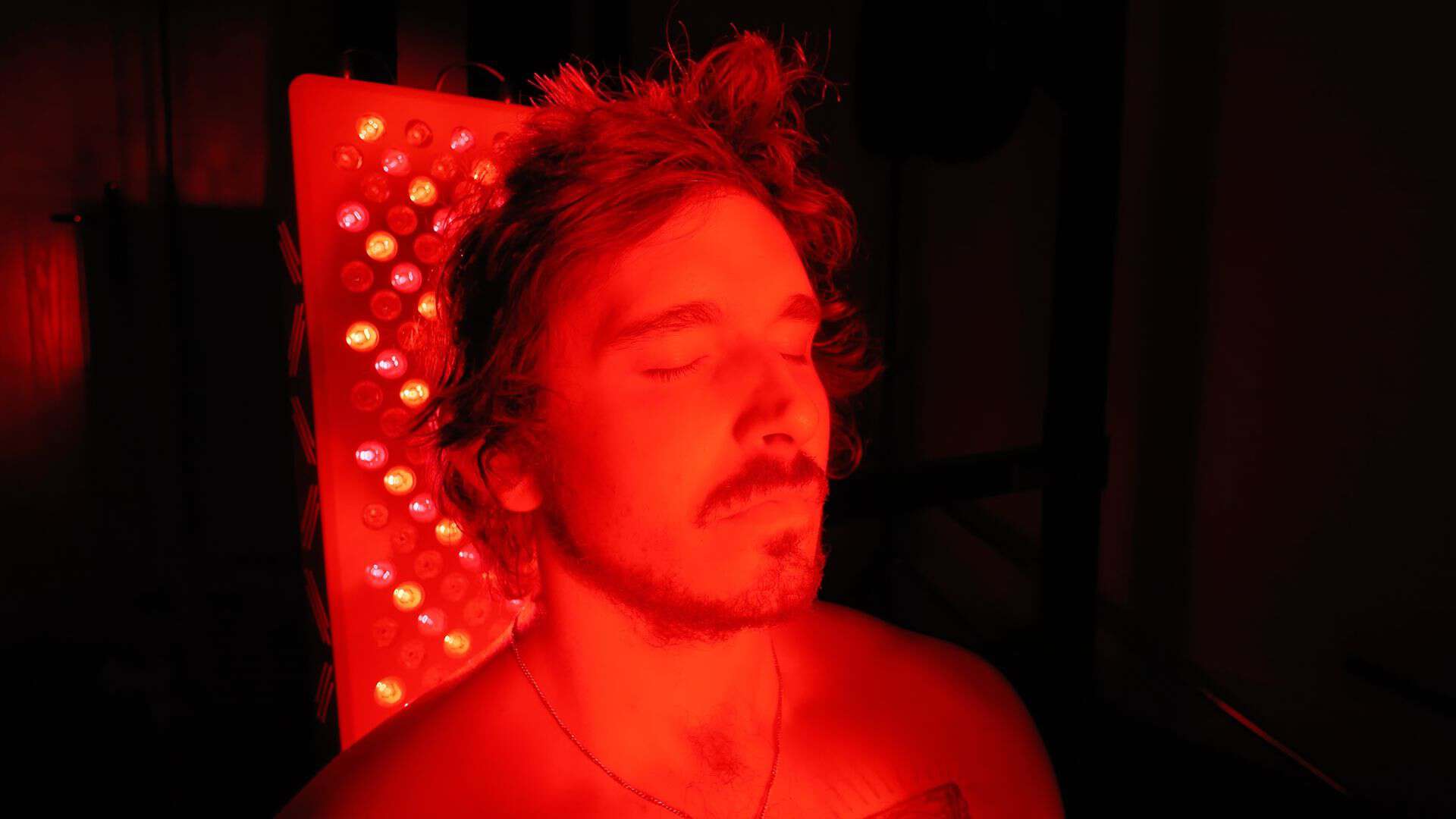
Hair Quality, Density, and What the Science Says
When you look at clinical photobiomodulation (low-level light therapy) studies for hair, the literature points to an average improvement of roughly 15% to 35% in hair density and thickness metrics. From my own daily tracking, 35% feels completely accurate, if not a bit conservative.
Less Brittleness: Individual hair strands felt sturdier, less prone to snapping, and held noticeably more natural volume.
Over-Washing Bounceback: If I over-washed my hair or used too much styling product, the hair recovered its natural oils and texture far faster.
One-Week Turnaround: An awkward haircut that normally takes two painful weeks to settle down now fixes itself in roughly six to seven days.
Cumulative Growth: The growth rate compound-builds over months of consistent use rather than dropping off.
Beard and Facial Hair Growth
Red light does not differentiate between your scalp and the rest of your body—any hair you point the light at will grow faster.
I normally shave every two to three days. During active red light protocols, facial hair comes in noticeably denser and faster, requiring daily shaves to keep it clean. If you are trying to fill out a patchy beard, daily red light exposure accelerates that process significantly.
The Reality Check: Hair Loss, Genetics, and DHT
It is crucial to be 100% honest about what red light therapy can and cannot do for hair loss:
Red light cannot magically resurrect completely dead or dormant hair follicles. If you have slick, genetic bald spots caused by advanced androgenetic alopecia and DHT sensitivity, red light panels will not regenerate lost follicles out of thin air. It is not an alternative to medical hair restoration or speaking with a clinical trichologist.
If you have existing, active hair follicles that are thinning, miniature, or recovering from stress-related shedding (telogen effluvium), red light provides the cellular energy (ATP) and local blood flow needed to thicken the shaft, strengthen the root, and accelerate regrowth.
Men vs. Women: Are the Results the Same?
Across all clinical trials and my own household testing, the results are identical for men and women. My partner followed the exact same panel routine and experienced the same rapid growth rates and improved hair texture, showing that the cellular response does not differ by gender.
What Happened When I Took a 6-Week Cold Turkey Break?
To test whether these benefits were truly dependent on ongoing red light exposure, I stopped using red light completely for six consecutive weeks.
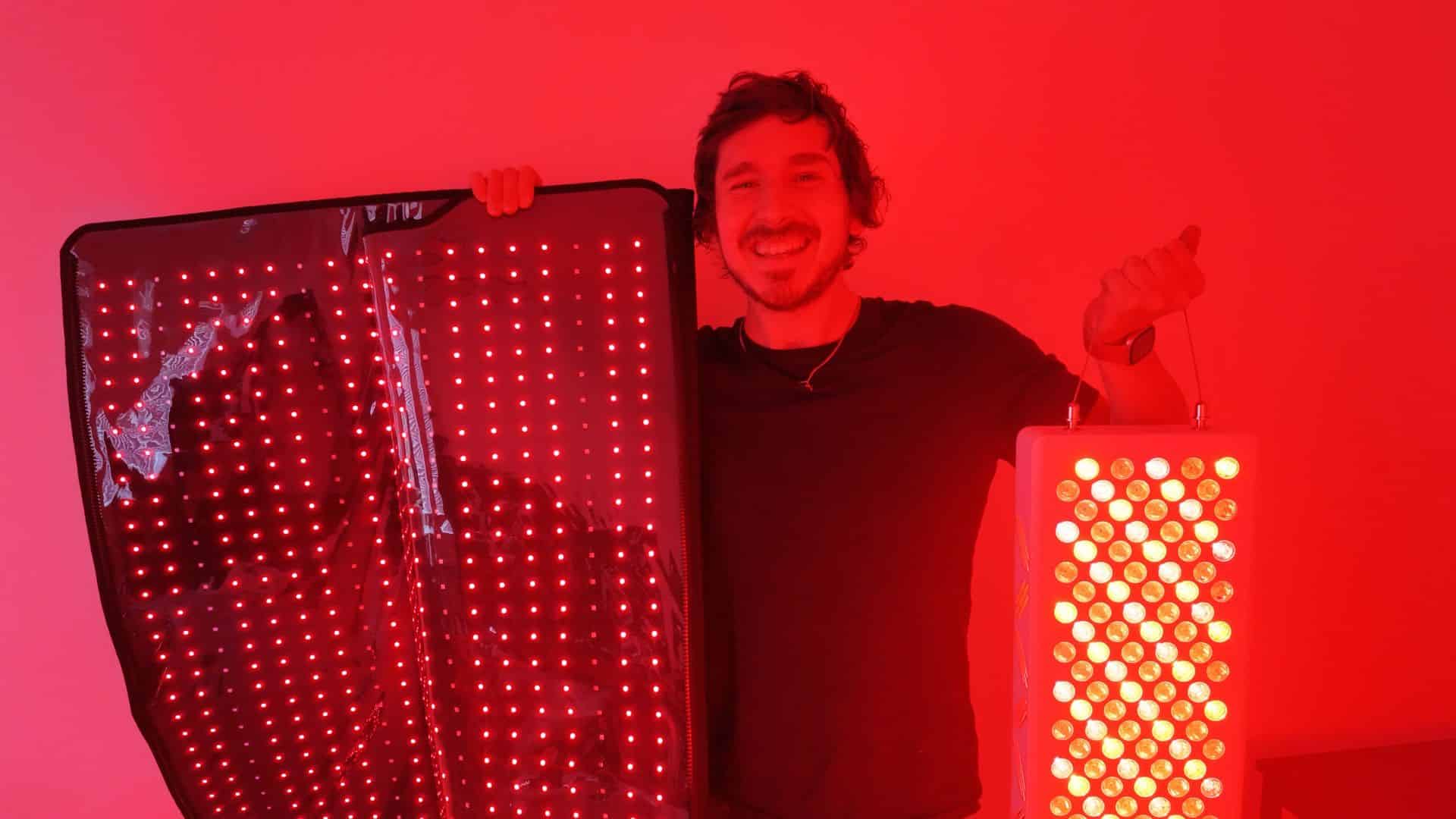
Here is exactly what happened during the pause:
- Growth Speed Halted Immediately: I had a haircut right around week two of the break. By week seven, my hair had barely reached the point where I felt I needed another cut. The accelerated growth speed stopped right in its tracks without the photons.
- Quality and Density Stayed High: The existing hair shaft thickness, volume, and lack of brittleness did not degrade. Because hair fibers that grew during the protocol were already built with greater structural integrity, they retained their quality until naturally shed.
Panels vs. Red Light Caps: Which One Should You Buy?
A lot of people ask if they should buy a dedicated red light helmet or cap instead of a panel:
- Get a Red Light Cap If: You strictly care about the top of your head, want to walk around the house while doing treatments, and do not care about treating your face, neck, or body.
- Get a Red Light Panel If: You want maximum bang for your buck. A panel treats your scalp and full hair length, but also treats facial skin, joint injuries, and post-workout muscle soreness all in one device.
Do not stand in front of a high-output panel for 40 minutes thinking your hair will grow twice as fast. Sticking to 10 to 15 minutes per session at 6 to 8 inches away is the therapeutic sweet spot. Blasting your scalp past 20 to 30 minutes pushes you into cellular fatigue, blunts mitochondrial ATP production, and causes unnecessary oxidative stress.
The Final Verdict: Is It Worth It for Hair?
If you already own a red light panel or blanket for athletic recovery and skin health, using it on your scalp is an effortless bonus that delivers undeniable, measurable hair growth and density upgrades.
If your sole goal is strengthening existing hair, speeding up slow growth, and recovering from bad haircuts, red light therapy is one of the few science-backed tools that genuinely delivers on its promises.